Reminder, email, or call: which invoice recovery method actually works?
A gentle reminder, a written chase, a phone call. Each one gets invoices paid, but each wins in a different situation. The mistake is picking one and using it for everything. Here is how to match the channel to the moment.
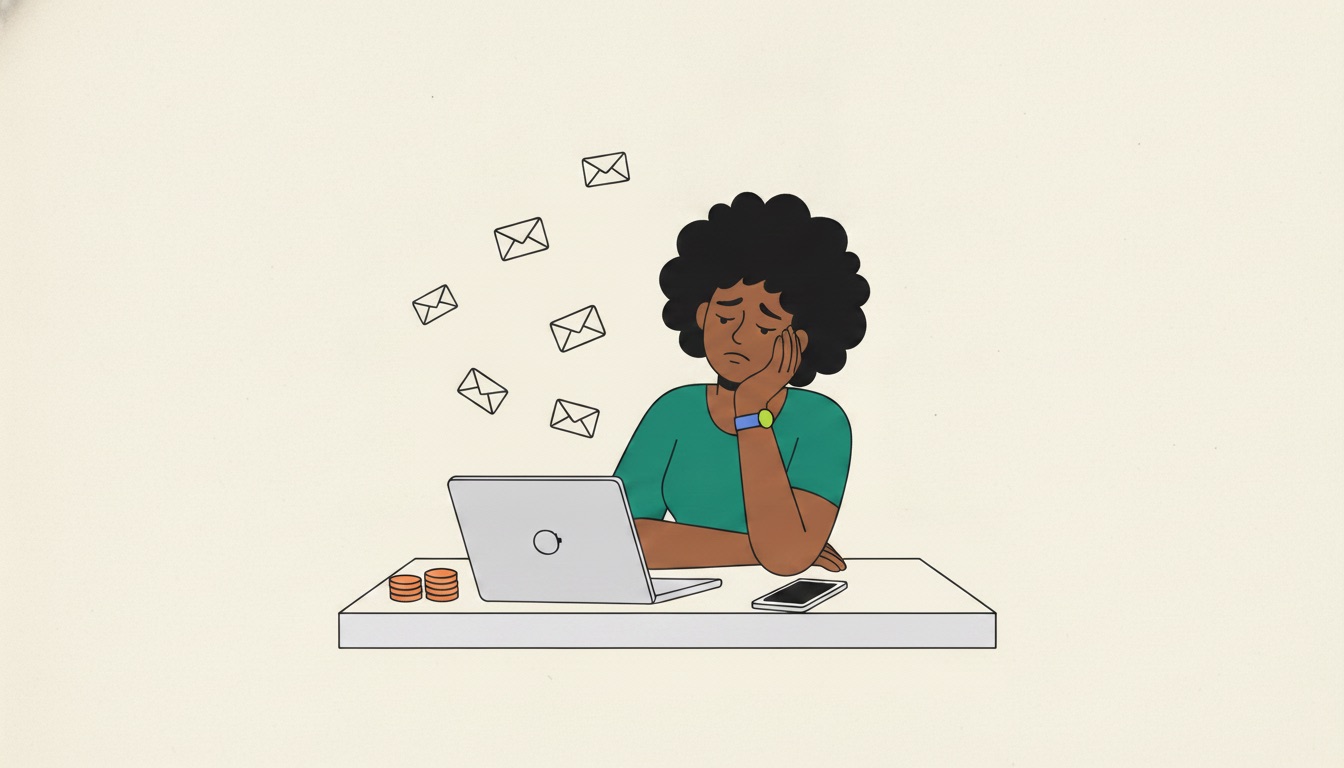
There is no single best channel
Ask ten business owners how to get paid and you will hear one answer each, stated as a rule. "Just email them." "You have to phone." "Set up automatic reminders and forget it."
They are all right, and all wrong. A reminder, an email and a call are not competing tools where one wins. They are three different jobs. The reason your chasing feels hit and miss is usually that you are using whichever channel you are most comfortable with, rather than the one the invoice actually needs.
Here is what each is good at.
The reminder: prevention, not recovery
A reminder is a short, low-effort nudge, a text or a one-line message, sent around the due date. It is not really a recovery tool at all. It is a prevention tool.
The single largest reason invoices go unpaid is not refusal. It is that a busy customer simply forgot, and nobody prompted them. A well-timed reminder catches most of that group before they ever become "overdue". It is cheap, it is unarguable, and it does the quiet work of stopping problems rather than solving them.
- Wins when: the invoice is fresh, the customer is organised, and payment just needs to reach the top of their pile.
- Struggles when: the invoice is already weeks late, or the silence is deliberate. A reminder to someone avoiding you is easy to keep ignoring.
Do this one every time, on every invoice. It is the highest-return thing in the whole list, precisely because it stops the harder work from being needed.
The email: the workhorse
The written chase is the backbone of credit control, and for good reason. It scales, it creates a record, and it gives the customer everything they need to act: the invoice number, the amount, the due date and a way to pay.
Email is the right tool for the broad middle of the problem: invoices that are genuinely overdue but not yet stuck. It is firm without being confrontational, and it keeps a clean paper trail if things ever escalate.
- Wins when: the invoice is overdue, the relationship is fine, and the customer just needs a clear, documented prompt with an easy way to pay.
- Struggles when: it is ignored. An unanswered email has no next move of its own. Send a fourth one and you have taught the customer that your emails carry no consequence.
The trap is that email is comfortable, so owners keep sending emails long after they have stopped working, because it feels like progress. It is not, once they are being deleted unread.
The call: for when they are ignoring you
A phone call is the channel people avoid most and need most. It is harder to ignore than an email, it is personal, and it resolves things in the moment: a query gets answered, a promise gets a date, an excuse meets a polite follow-up question there and then.
When an invoice has gone quiet, a call is very often the thing that breaks the silence. Not because it is aggressive, but because it is real. Someone is actually asking, and "I will sort it later" is much harder to say to a person than to an inbox.
- Wins when: email has been ignored, the invoice is significantly late, the amount matters, or there is clearly a query hiding behind the silence.
- Struggles when: it is used too early. Phoning about an invoice that is one day late feels heavy-handed and can bruise a good relationship.
The call is not your first move. It is the move that ends the standoff after the gentler ones have run their course.
Match the channel to the moment
Put together, the pattern is simple. The channel should escalate as the invoice ages and the stakes rise:
- Before and around the due date: a reminder, to prevent lateness.
- Once genuinely overdue: an email, clear and firm, with a pay link.
- When email is ignored or the amount is serious: a call, to resolve it.
A reminder prevents lateness. An email documents it. A call ends it.
The point is not to use all three on everyone. It is to let the invoice tell you which one it needs, and to actually make the next move instead of resending the last one.
The only way to know is to measure it
Here is the part most businesses never get to. Even if you run all three, do you actually know which one got each invoice paid? Was it the reminder that landed on the right day, the email that finally got read, or the call that broke the deadlock?
Without that, you are guessing, and you keep leaning on the channel that feels easiest rather than the one that works. This is exactly why every case in PennyFlow shows you what recovered it. You can see, invoice by invoice, whether it was a reminder, an email or a call that got you paid, and the pattern across your own customers stops being a hunch and becomes something you can see.
Penny uses all three
Penny does not pick a favourite channel and hope. She runs the whole escalation for you: a reminder before the due date, firm and friendly emails as it ages, and a phone call for the ones who go quiet, each on the right day and in the right order. Then she shows you what actually worked, so your credit control gets smarter with every invoice, instead of staying stuck on the one channel you happened to prefer.
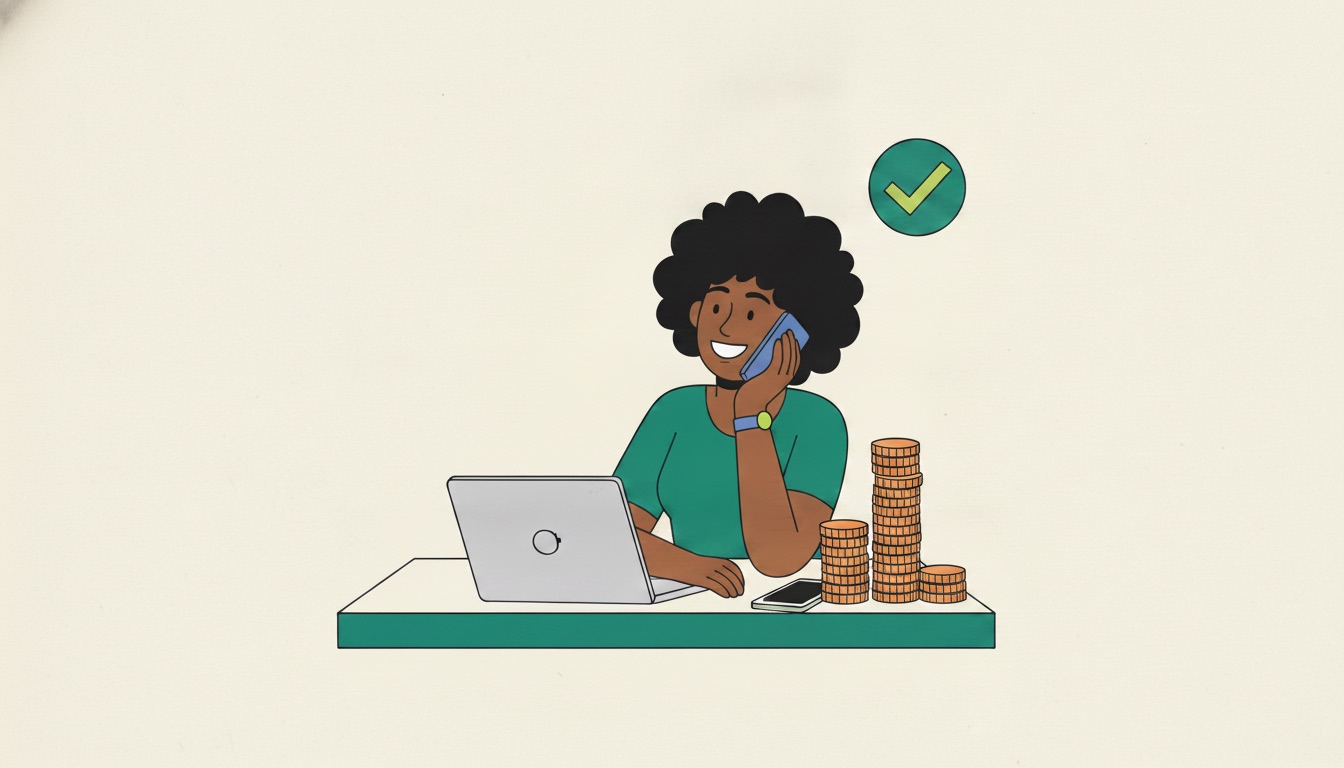
Stop chasing. Let Penny do it.
Penny reads each customer, sends the right message, and calls the ones who ignore it, so you get paid faster without the awkward admin.